- Lou Stagner Golf
- Posts
- Lou Stagner's Newsletter #130



Weekly Quiz!
To see correct answer, click “CONTINUE” button at the bottom of the next page.
Good luck! 😀
What percent of the time will a 15 index three putt from 35 feet? |
Why You Miss on the "Amateur Side"
First, I want to talk about something I'm VERY excited about.
I've NEVER been a fan of the Arccos sensors on the end of my grips, but I’ve always believed in the Arccos data. I’ve seen first hand how powerful that data can be.
But I still didn't like the sensors on my clubs. I just didn't. And I know that's been a dealbreaker for a LOT of golfers. I’ve received countless emails and DMs telling me this.
But the new Arccos Air fixes that completely. It's a pocket-sized wearable, smaller than an AirPods case, that tracks every shot of every round. No more sensors on your club! No phone in your pocket! You can clip it to your belt (or slip into your pocket) and you won't even know it's there. You just play golf and it tracks your shots.
For me, this is a HUGE deal… and it changes things for a lot of golfers who wanted the data and insights Arccos provides, but couldn't get past the sensors on the end of the grip. That barrier is gone, and I am extremely happy about that!
If having sensors on the end of your grips was holding you back from using Arccos to help take your game the the next level, that friction is gone! Let 2026 be your year!
Use code DATALOU15 to save 15% at arccosgolf.com.
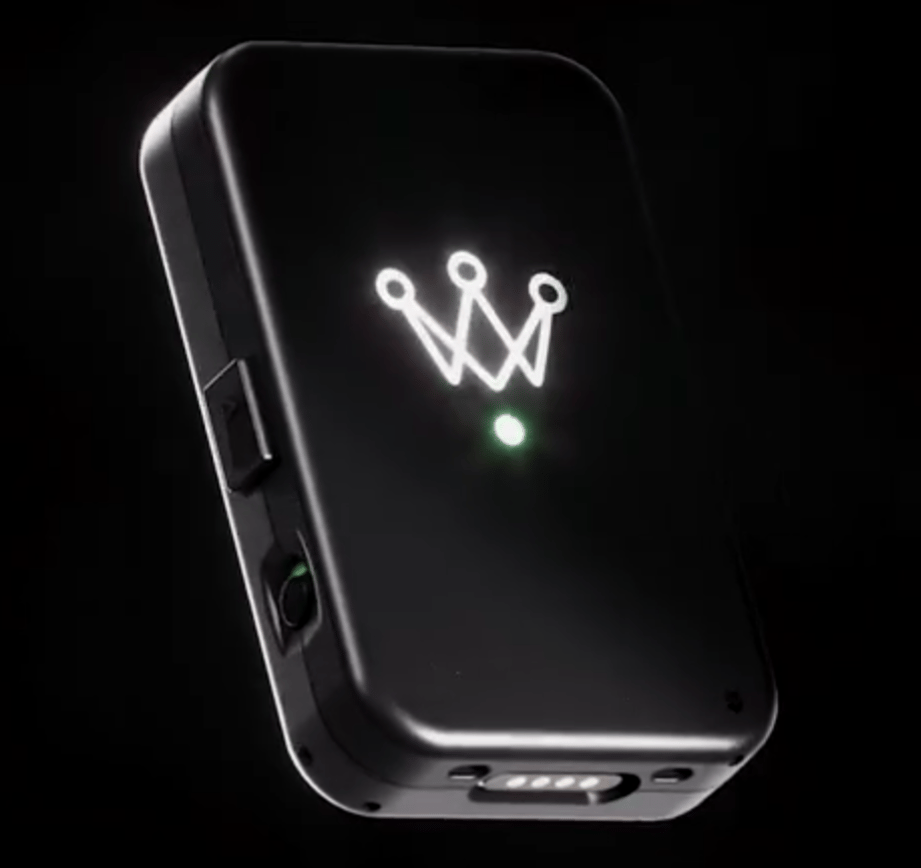
Now, on to this week's newsletter.
Why You Miss on the "Amateur Side"
Every golfer has heard it. You miss a breaking putt on the low side and your playing partner says, "That's the amateur side." Pros miss high. Amateurs miss low.
But WHY? A 2024 study in PLOS ONE by Hasegawa, Okada, and Fujii dug into this with some clever methodology, and the answer is more interesting than "read the green better."
The Study
Twelve JGTO tour professionals and twelve amateurs putted on breaking slopes around 10 feet from the hole. Two conditions: a subtle 1% side slope and a steeper 3% side slope. All participants wore goggles that blocked their vision after contact. As soon as they made contact with the ball, the goggles would quickly flip to “blackout” mode and they couldn't see how the ball broke and where it ended up.
What They Found
On both slopes, amateurs underestimated how much the break actually was. They started the ball too low, and the ball broke below the cup. Classic amateur side.
But it gets worse for amateurs. Not only did they tend to underread the amount of break, but whatever break they did think was there, they tended to setup and line the face up with even less break than they thought was there. It's not just that they couldn't see the break. They couldn't correctly act on whatever they did see. To put this in a simple example: The putt has 24 inches of ACTUAL break. The amateurs saw 12 inches of break, but when they lined up they were only playing 8 inches of break.
Why This Matters
Mark Sweeney, the inventor of AimPoint, teaches that golfers tend to visually under-read putts by about 50%, and that the cost of under-reading is usually much worse than the cost of over-reading. Sweeney notes that a putt over-read by a foot will usually finish a lot closer than a putt under-read by a foot.
My Thoughts
Most amateurs treat putting as a stroke problem. They buy new putters, work on mechanics, practice how the stroke looks. Those things can matter. But this study points out something many of us need to consider... It's not just that you misread the break. It's that even when you have a reasonable sense of the amount of break, you STILL don't aim high enough. Your brain recognizes the break, tells your body to play more of it, and your body doesn't go far enough.
Think about that. You could read the green perfectly, and your aim would still not be as “high” as you think you are aiming. This is where putts go to die on the amateur side.
If you are like many amateurs and struggle with your reads, next time you're practicing breaking putts, try this: pick your aim point, then move it a little higher. If it feels like too much, you're probably getting closer to where you actually need to start it.
Spend time on your practice green dialing in your reads, and then dialing in where you are actually aiming/starting your putts. Start tracking your high side vs low side misses. Focused effort on this part of the game will help lower your scores!
See you next week!
Finally...
Advertise your business to 38,000+ readers of this newsletter.
Shop Arccos Golf here. (Use code DATALOU15 to save 15%)
Join Team Titleist here.
Shop StrackaLine Green Books here. (Use code DATALOU15 to save 15%)
Listen to the “Hack it Out Golf” podcast on Apple or Spotify.
Submit ideas or feedback here.
Have a great week!
